
Is Deepfaking Yourself the Next Big Trend in Social Networking? And What Does It Mean for Brand Safety?
JibJab for the AI age is here. And things will never be the same.

This issue of Social Signals was written to the new album from Big Cats, Happy to See Me.
This week, I was back in NYC, testing out my new Looki and my new Camp Snap CS-8 Super 8 camera and posting vague Instagrams about secrets and mannequins on taxi cabs.
I have too many things I want to write about, so there may be a few weeks of double issues, with some content sent just to paid subscribers — like this week’s Paying a Premium for Ads on Your Fridge, where I unpack what’s happening in the era of ads coming to our devices we’re not used to getting ads on.
I was at the eye doctor's and told him I had an appointment to get fitted and order Meta Ray-Ban Display smart glasses this month. Then he and I found a way I could come back for a second appointment so I could give him a demo. Now that’s a cool eye doctor, right? Right.
Last weekend was parents’ weekend at my oldest’s college and it was SO GREAT to see my kid for an extended period of time AND to catch ‘em up on all of my new devices and experiments with technology in the last 6 weeks and hear how the college students these days feel about all of this change. Let’s just say, they don’t think us adults are doing a good job.
Okay, we have a beefy topic today, so let’s get into it! -Greg
Is Deepfaking Yourself the Next Big Trend in Social Networking? And What Does It Mean for Brand Safety?
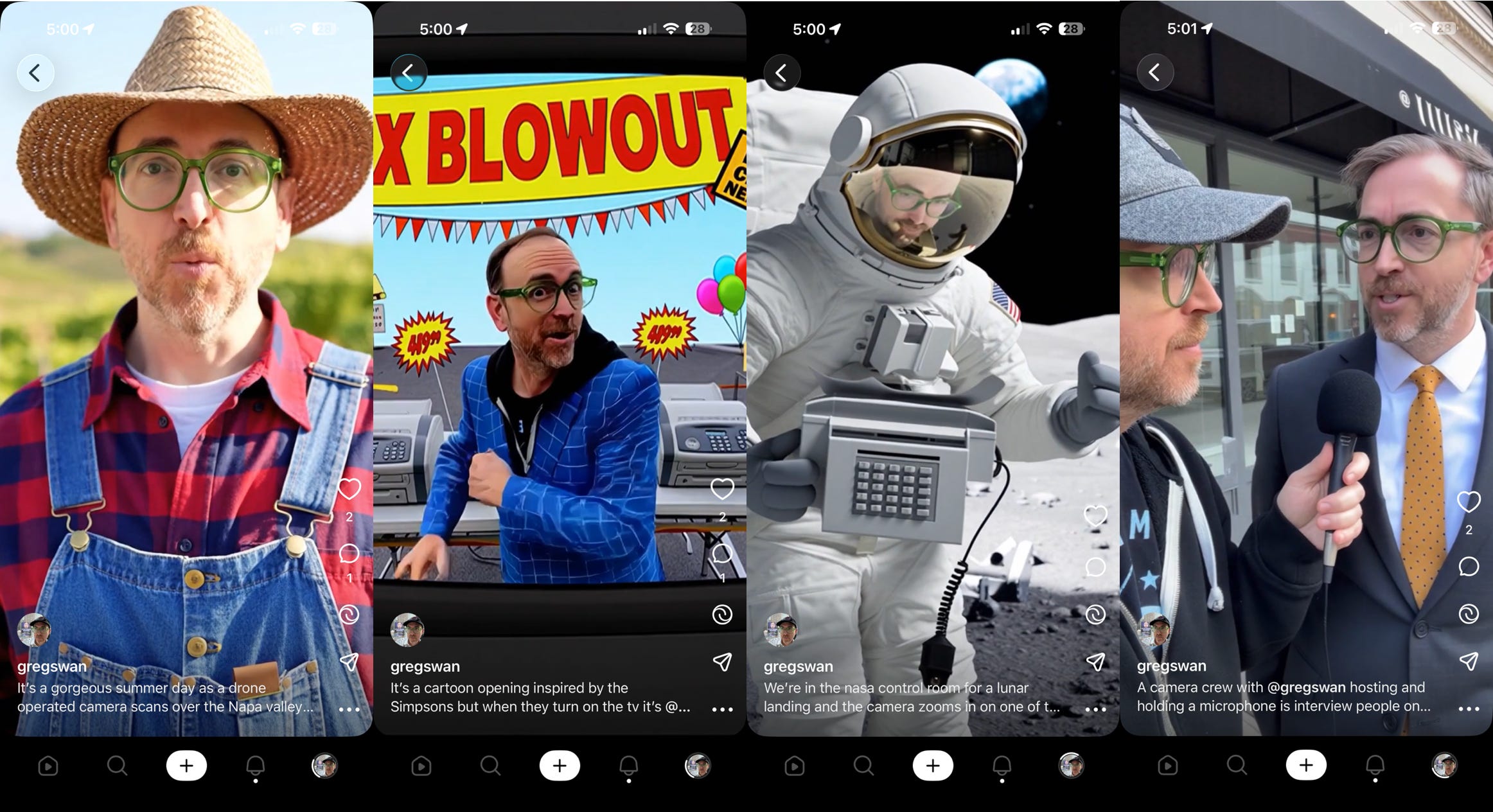
OpenAI launched a new app called Sora this week, and it’s not just another AI tool.
Imagine TikTok, but every video is AI-generated. Now imagine you starring in those videos: surfing on Mars, giving a TED Talk in Elvish, or co-starring in a romcom with your dog, all without filming a single frame.
That’s what the new Cameo feature allows: verified, opt-in deepfakes of yourself (and others) in AI-generated video content.
That means we’re now curating our virtual selves to entertain, inform, and maybe even influence without ever showing up IRL. I’m calling it “JibJab for the AI age.”
Here are a few videos I made earlier this week, edited into a supercut:
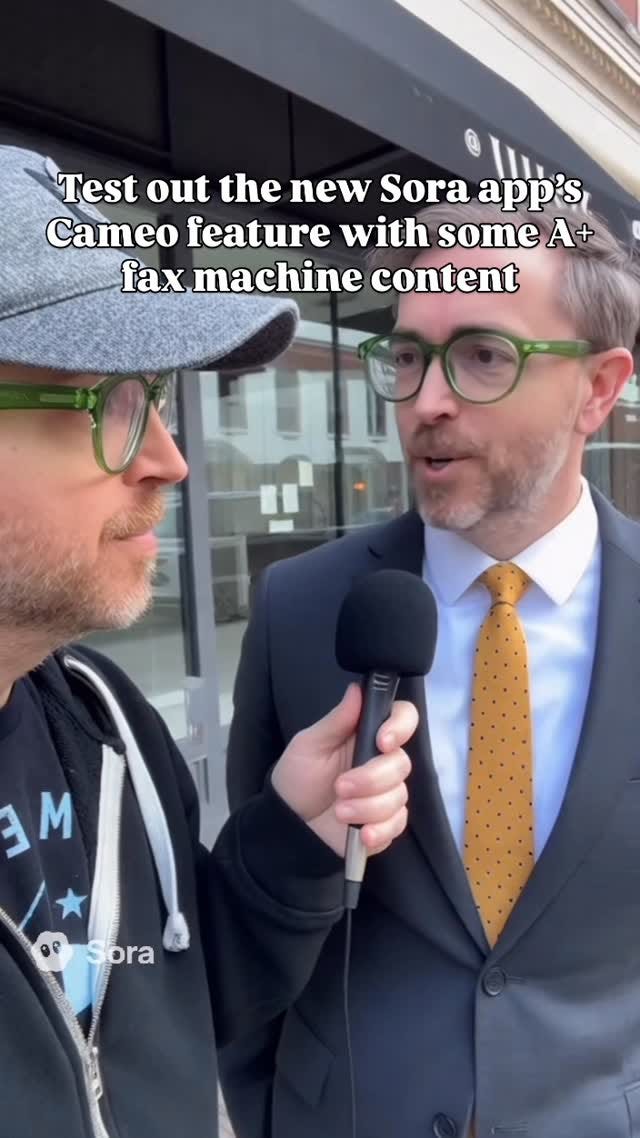
Super fun, right? It can be! The remix option creates endless opportunities, and I made all of the above videos in less than an hour.
And it’s also hugely reckless.
Here’s why marketers, social strategists, and comms pros should be paying attention:
Cultural shift: We’re entering an era where synthetic self-expression is not only possible, it’s becoming social currency, even as people claim they don’t want it. The same audiences expressing skepticism are actively using AR filters, AI-assisted creative tools, and now apps like Sora to remix reality into something more aspirational, surreal, or algorithmically optimized.
No brand handles yet: You can’t intuitively register your company name or @handle. There’s no brand verification yet. Sound familiar? It’s giving early Facebook and TikTok energy.
Risk: With no brand guardrails, it’s the wild west for logos, likenesses, and remixes. OpenAI offers IP takedown tools, but only retroactively (not for proactive protection). And since Sora’s search only works by username, you can’t track brand mentions or remixes unless you already know who posted them.
The platforms are all in: Meta launched its own Vibes AI video app last week, but without the Cameo feature. Grok Imagine (from Twitter/xAI) can make rights-protected video content. TikTok’s AI Alive animates still pictures. YouTube’s AI for Shorts allows creators to generate video backgrounds or clips with sound by typing in a text prompt. So basically, AI-native video isn’t a question of if it becomes social, but how soon more people use it.
And yes, brands will find ways to engage with Sora. The way my team figured out how to do this reminds me of the early days of Facebook Fan Pages and Snapchat.
The real power of Sora is in its personalization and remixability. You’re not just watching, you’re starring, creating, and evolving content in real time. I think that will make it sticky, shareable, and primed to scale despite all of the risk and abuse that’s to come.
Prompts as captions and customizable algorithmic feeds
Another fascinating feature is that the caption of your content is THE PROMPT. So you can learn how others prompt as you go, which is one of my favorite things.
For the video below (here’s the Sora link), my prompt is: We’re at a Starbucks and @sama is the barista holding a coffee for a customer and shouting for “Craig” and then @gregswan walks up and says “do you mean Greg?” And then there’s a sitcom laugh track as you realize this is a tv show
Note that Sam Altman made his likeness available for me (and everyone else) to put him into videos and have him do anything. Really pretty much anything.
Sora also has a setting for your feed called “How are you feeling” with an open blank where you can type anything and it will curate your feed. Fascinating option besides Following, For You, and Latest.
But anyway…
We need to start preparing for the brand safety fallout from Sora
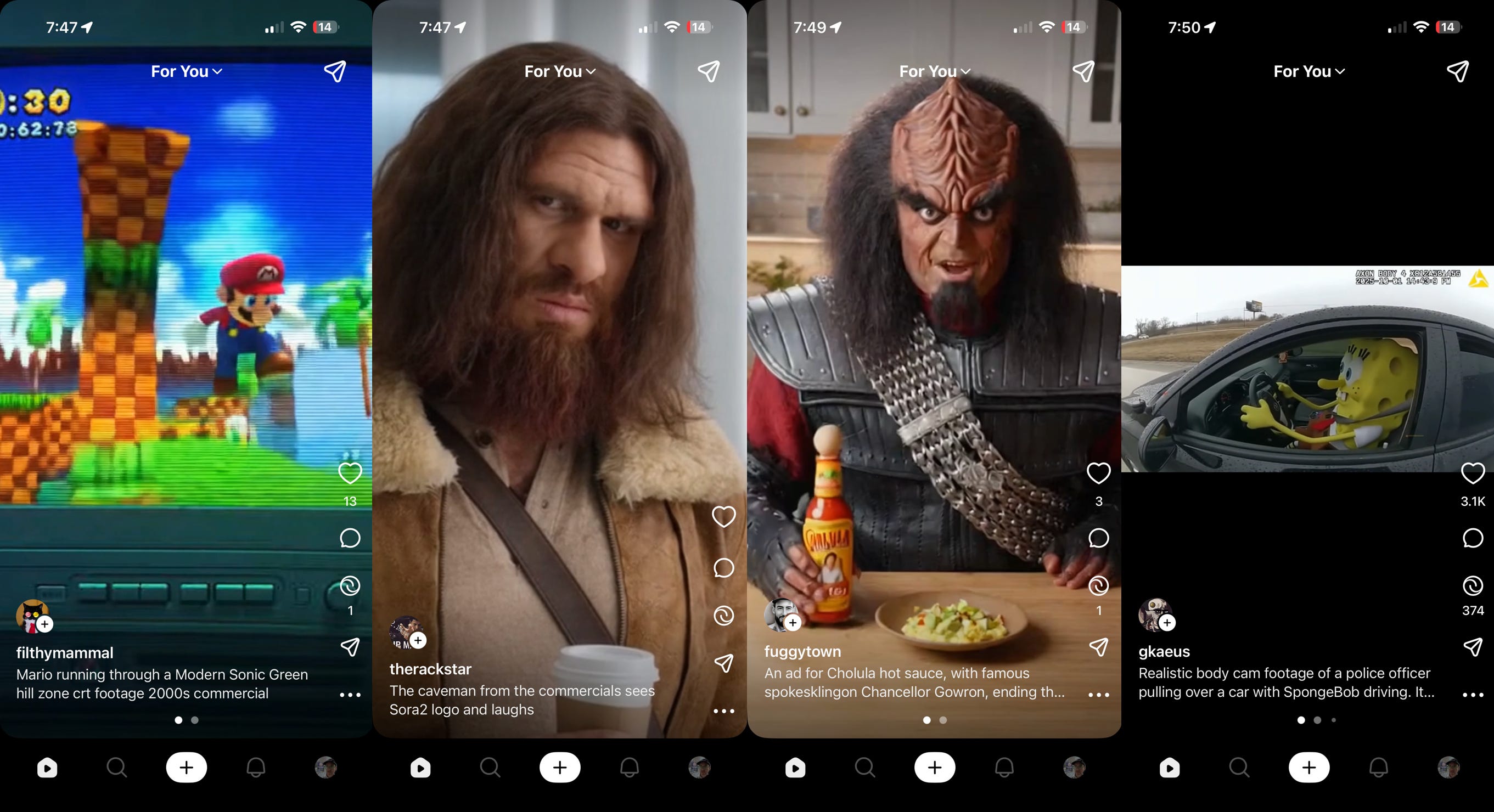
The abuse isn’t just coming; it’s already here. Users have already generated content featuring copyrighted characters and IP from McDonald’s, Netflix, Nintendo, Fox, and deepfaked OpenAI’s Sam Altman himself into a fictitious scenario showing him shoplifting, stealing cars, and worse.
I was able to create a video of an incident at a big box store, save it locally to my phone, and share the file without any potential repercussions or ties to my own account. For testing, of course. I would never post that. But someone else would. And they will.
In just a short scroll I found videos putting Mario into a Sonic game, the Geico Caveman, a Cholula x Star Trek mashup, and a video with SpongeBob running from the cops after a traffic stop.
This week my team at FINN Partners sent POVs to our clients warning them about the reputation and narrative risk of a tool like Sora and offering tangible steps to monitoring, inoculating, containing, and responding to the negatives of such a powerful tool in the hands of the public.

And then there’s the “is anything real” problem
I have to tell you that in the three days since I got Sora, I feel like my brain has been fundamentally rewired. It’s making me question if every single video on my social feeds is real or not.
As someone who has studied creativity, culture, misinformation, disinformation, social-driven narratives, and made a career out of helping brands seize opportunity and respond to challenges, this one is a flashing red light signal in my brain.
OpenAI has officially broken the notion of “what’s real” with the launch of Sora.
🚨 There are some massive signals here:
The prompt-based video content’s realism is so good that it rivals some of the enterprise, professional tools. The idea of “what is real” is more or less broken now.
The addition to deepfake yourself and then customize deepfakes of others and put them in your own scene is so unprecedented that there’s no telling how it will be used. Right to likeness is now broken.
The on-demand content creation phenomenon I wrote about this summer (Press Play on Yourself: Personalized Content Generation Arrives) has finally come to social. The publisher and producer model of storytelling is now broken.
Sora's accessibility is truly remarkable. Once you get an invite code and login, there are no token limits. You can make as many videos as you want. For free.
The fact that there are very few IP restrictions means there are both unlimited opportunities for content creation and storytelling and also UNLIMITED OPPORTUNITIES FOR CONTENT CREATION AND STORYTELLING. It’s both fantastic and horrifying.
The investment and attention from the world’s largest tech companies in empowering the mass creation and sharing of short-form video AI entertainment slop when there are so many other important needs in the world for this kind of technology (ahem… curing cancer, addressing climate change, solving real-world problems) is another signal worth noting. With no real oversight coming from the government and our society’s propensity to focus on shiny objects instead of important sea changes, we’ll see even more of this stuff coming to platforms, apps, social and our feeds. Whether we like and want it or not.

The pace of these launches is outpacing adoption (and our ability to offer context)
The momentum of the tech launches and cultural impacts hitting one after another is unreal right now. Don’t forget Meta launched affordable, accessible, good-looking augmented reality glasses last week.
This week, OpenAI also launched Instant Checkout, a new feature that lets U.S. users purchase products directly inside ChatGPT without leaving the conversation.
Users can click a “Buy” button after ChatGPT suggests products, then review order details and pay in chat. The system is powered by Stripe and initially supports Etsy sellers, with plans to expand to over one million Shopify merchants soon.
And I wrote a whole piece about the UK program to pay for ad-free social networking on Meta AND a piece about vibe coding your own company that I had to push into next week!
There’s so much. And it’s hard to tell the slop from the signal. I know it is.
I mean, speaking of short-form video AI entertainment slop, here’s The Daily Show’s take on Meta AI’s launch of Vibes last week that hits pretty good:
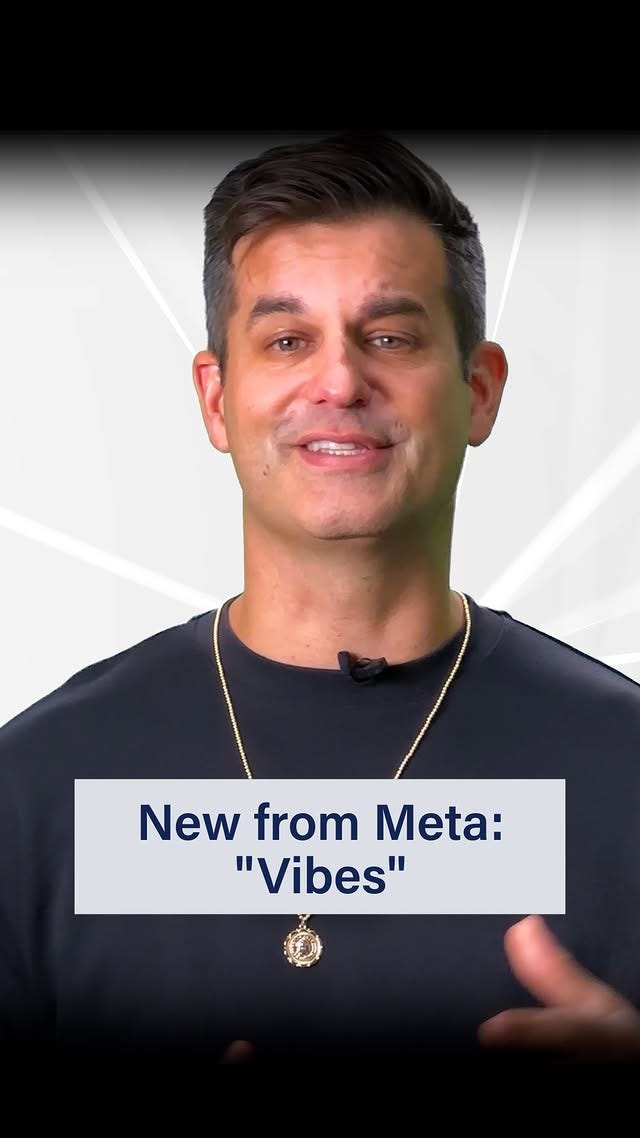
So what do we do about short-form video AI entertainment slop?
For starters, hire me and my team, and we’ll support and lead you and your team through this next chapter. Like I said, we’re already out there with POVs and recos of what to do.
Otherwise, keep reading here because you know how I feel about signals like this...
Marketing and communication leaders who embrace big changes, get hands-on, experiment, ask questions, set guardrails, and start experimenting now will have the creative muscle memory to move quickly, grow, protect, and foster their brands.
Get yourself a Sora invite code and start experimenting.
Because the future isn’t waiting. It’s generating itself. One prompt at a time. -Greg
Some reading:
WSJ: OpenAI’s New Sora Video Generator to Require Copyright Holders to Opt Out
TechnoLlama: Sora 2 and the end of copyright as we know it
PCMag: How Safe Is Your Facial Data With OpenAI’s Sora App?
📢 See Greg Speak
PRSA Iowa’s OctoPRfest Conference: Reboot Required: Rewiring Strategy for Today’s Cyborg Audiences, Des Moines, IA - October 9 (TICKETS)
Metro State University: Digital Marketing lecture, St. Paul, MN - November 18
University of Minnesota: Mastering Communications Leadership class lecture, Minneapolis, MN - December 9
Plus two brand side workshops and keynotes!
And one I can’t yet announce for January!
Interested in me speaking at your event? Hit me up.
📊 Chart of the Week
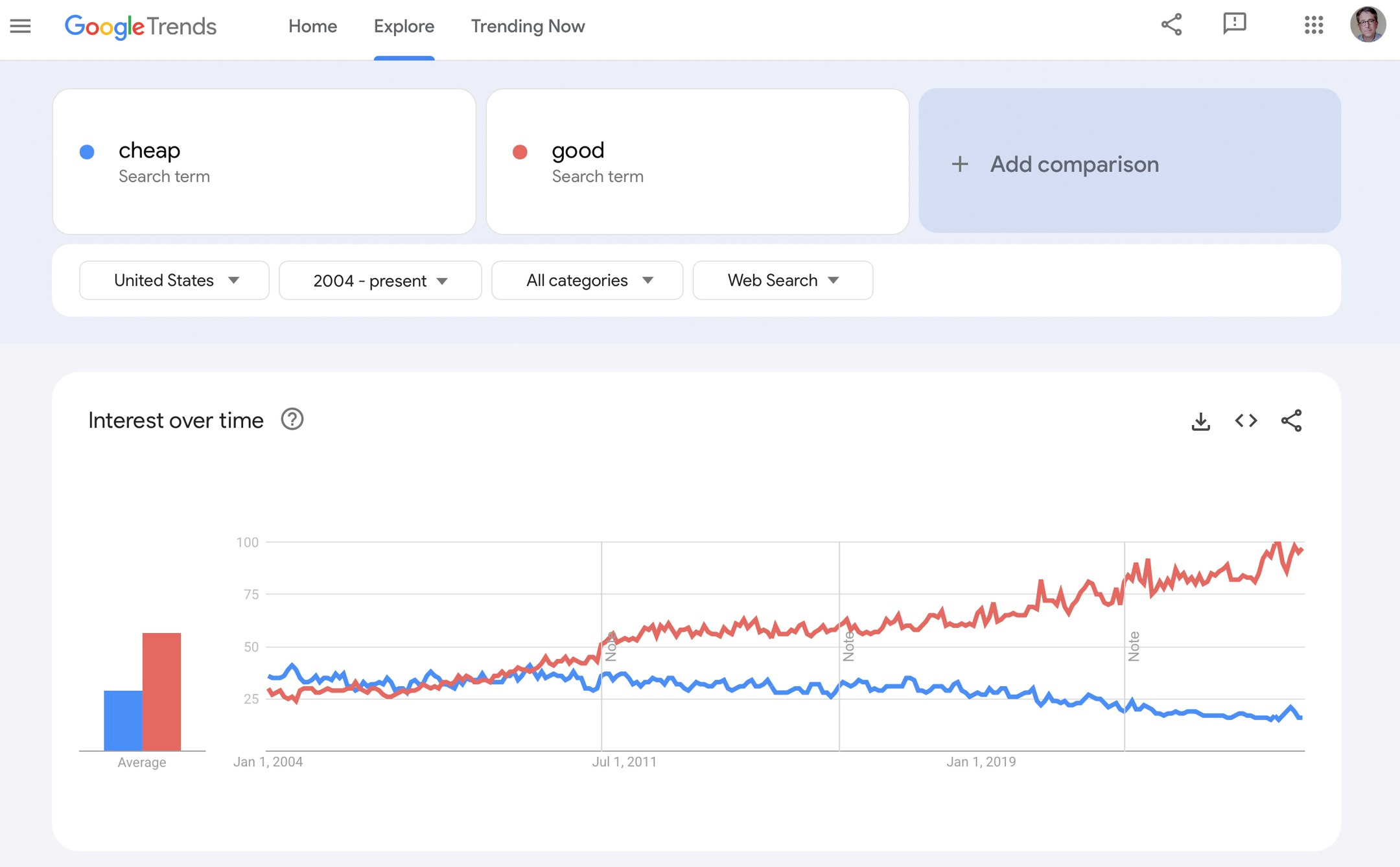
This comes via
who writes, “There’s no such thing as a perfect char...”⚡️Social Signals
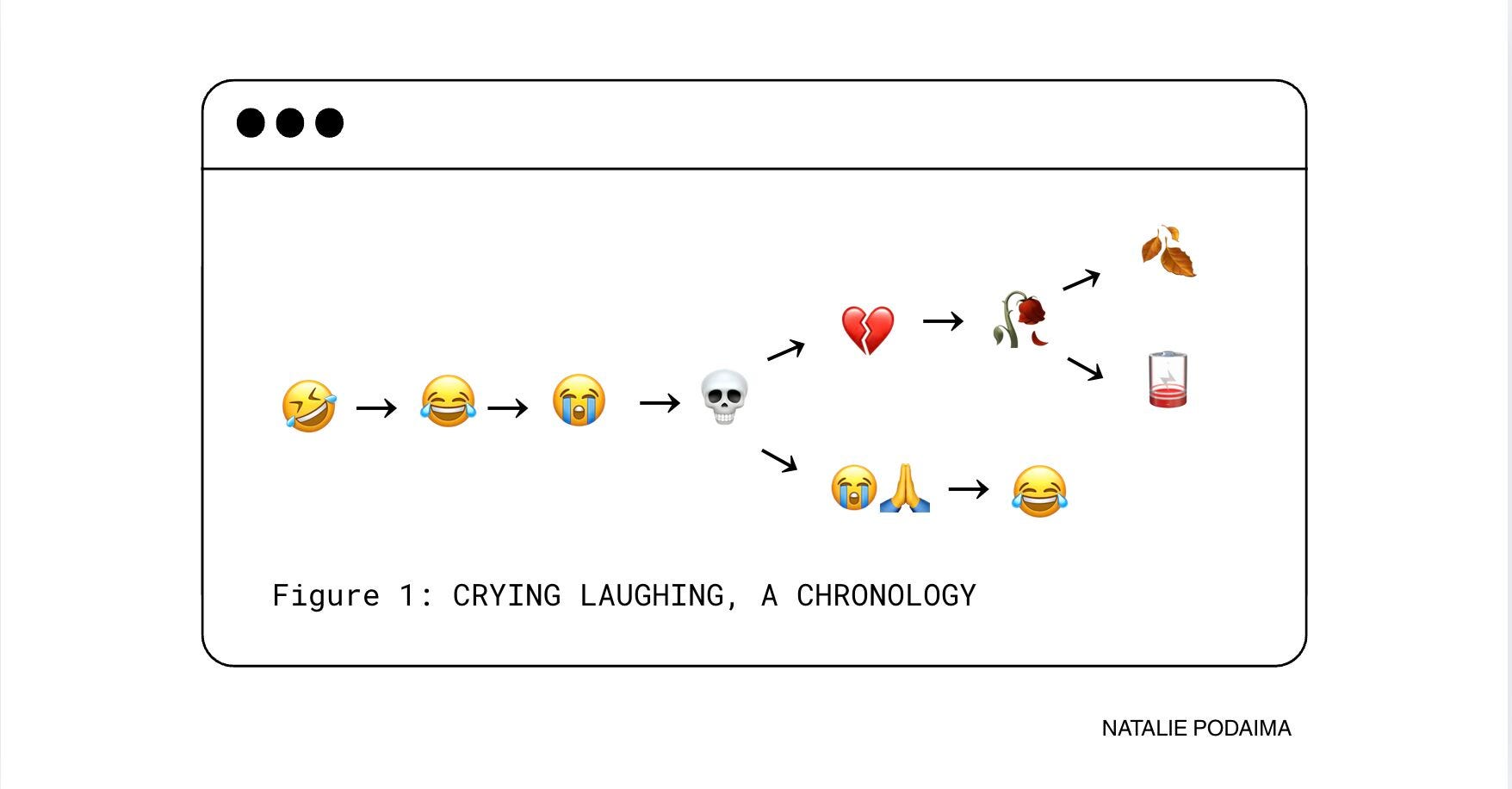
LinkedIn of the Week: The Gen Alpha Rose 🥀
Thread of the Week: Adam Mosseri attempts to explain why people think their phones are listening to them when the ads are so good there doesn’t seem to be any other explanation.
Tech Launch of the Week: Head-tracked “Window Mode.” Your front camera finds your head. The view reprojects in real time so the screen feels like a window into the 3D scene. True3D, no glasses. Watch this!!
Tweet of the Week: 2026 is going to be the CRAZIEST entertainment year ever. Jujutsu Kaisen S3, Bad Bunny Super Bowl, BTS come back, GTA VI, Avengers Doomsday, Dune III, FIFA World Cup, Hunger Games, The Odyssey, US 250th Anniversary, House of the Dragon, 007 First Light, Resident Evil Requiem, Ananta, Frieren S2… The list is endless.
Halloween Reel of the Week: The confectionery technology exists.
Keep going! 🚀✨
Greg